
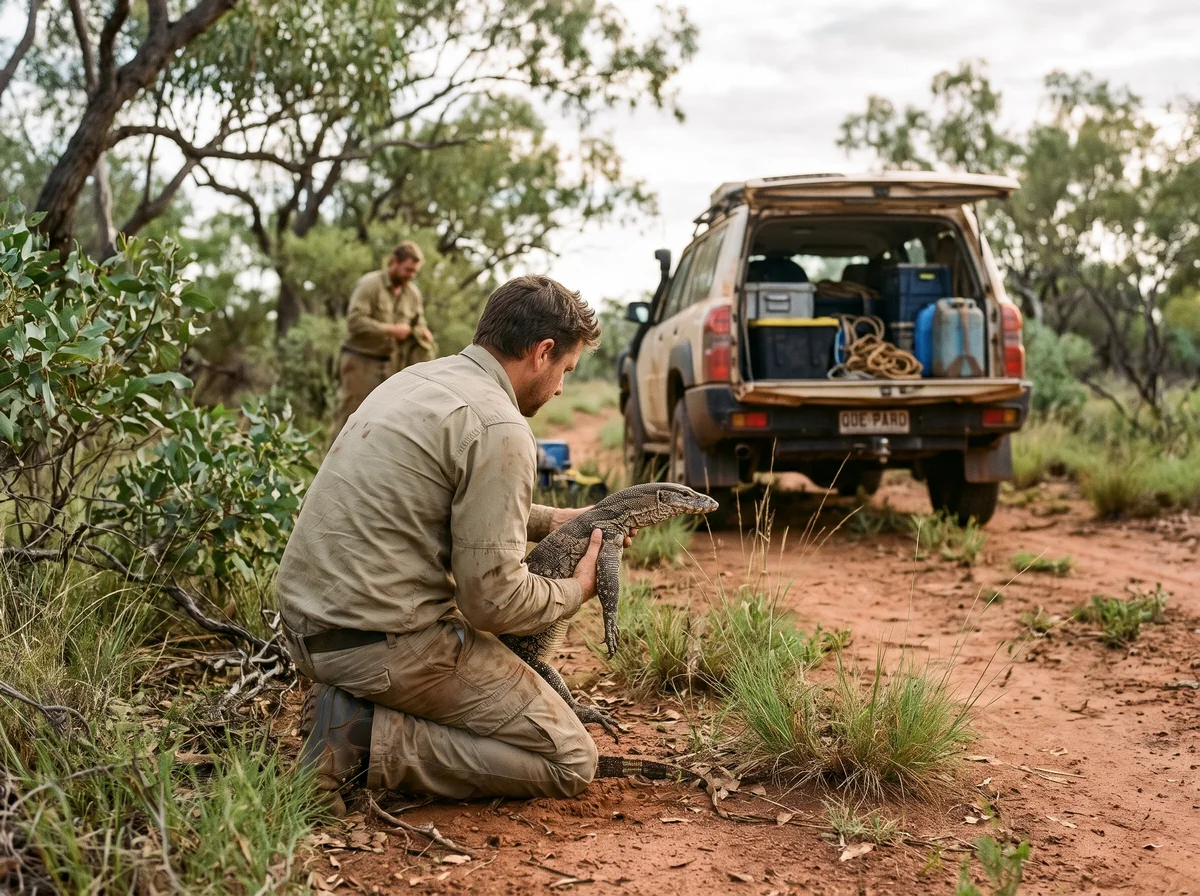
Twenty years after his death, Steve Irwin is still one of the most recognisable Australians who ever lived. He was a zookeeper, a conservationist, a television personality, and to millions of kids around the world, the coolest person on the planet.
The man wrestled crocodiles in khaki shorts and made it look like the most natural thing in the world.
At Australian Business Magazine, we’ve made it our business to recognise Australians who’ve left a lasting positive impact on the world. Steve Irwin’s dedication to wildlife conservation is a powerful example of that legacy. This is our tribute to the Crocodile Hunter, 20 years on.
In this article, we’ll look at his life, television career, and untimely death. We’ll also explore how his family and Australia Zoo continue his conservation legacy today.
If you grew up watching him wrestle crocs, this one’s for you. And if you’re discovering his story for the first time, you’re in for something special.
Who Was Steve Irwin?
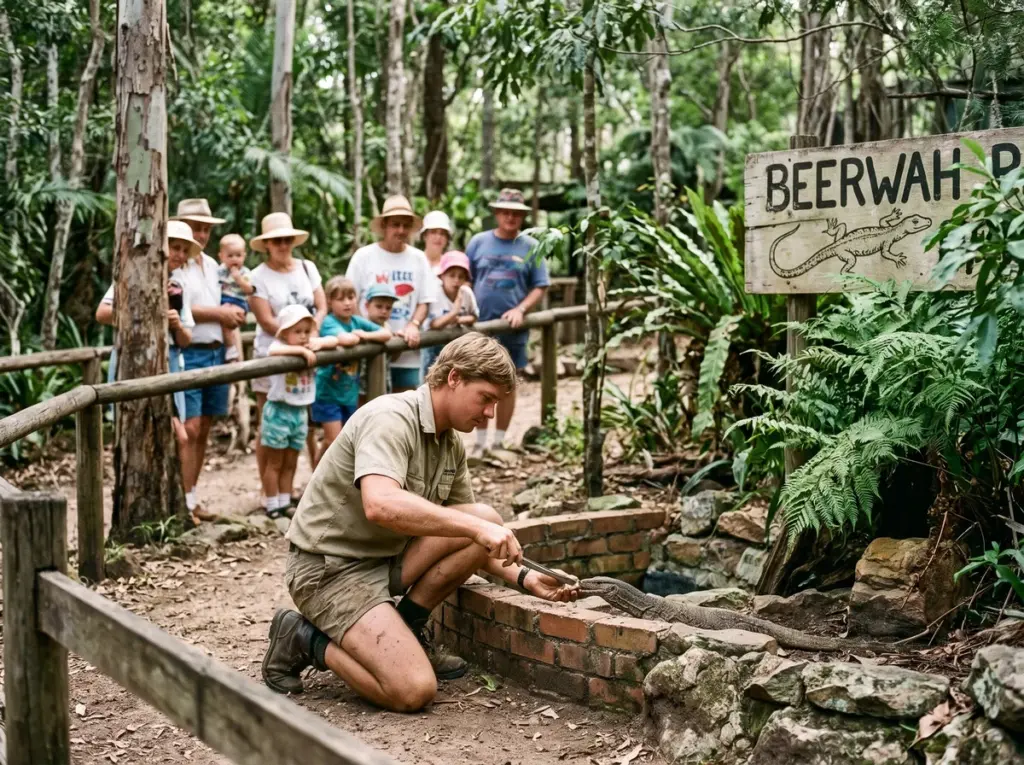
Steve Irwin was an Australian wildlife expert, conservation advocate, and television presenter who was born in Victoria in 1962. He grew up in a reptile park, surrounded by crocodiles, snakes, and lizards before most kids had even seen one up close. That upbringing massively influenced who he was.
Here’s a quick look at the man behind the khaki:
- Full Name and Birthplace: Stephen Robert Irwin was born on 22 February 1962 in Upper Ferntree Gully, Victoria. His family relocated to Beerwah, Queensland in 1970, and that move set the course for everything that followed.
- Bob and Lyn Irwin: His parents weren’t your typical mum and dad. Bob and Lyn Irwin opened the Beerwah Reptile and Fauna Park on 3 June 1970. It’s a four-acre wildlife refuge that would eventually become one of Australia’s most visited attractions.
- A Childhood With Crocodiles: At six, he’d already caught his first venomous snake. By nine, he was helping his father relocate problem crocodiles as part of the Queensland Government’s wildlife management work.
- Meeting Terri Raines: An American tourist named Terri Raines visited the park in October 1991, two days after Steve took over its management. They married in June 1992 in Eugene, Oregon, Terri’s hometown.
- Birth of the Crocodile Hunter: The couple spent their honeymoon trapping crocodiles in Far North Queensland, and producer John Stainton filmed the whole thing. That footage became the very first episode of The Crocodile Hunter.
It’s hard to think of another television personality whose childhood, career, and love story were all so closely connected to the wild.
Steve Irwin’s Key Achievements at a Glance
Steve Irwin achieved an extraordinary amount during his 44 years. Given how suddenly his life ended, it’s easy to overlook the full extent of his achievements. He discovered new species, changed how people viewed wildlife, and reached countless milestones throughout his career.
The table below tracks the moments that defined his career:
| Year | Achievement |
| 1992 | Began filming The Crocodile Hunter; married Terri Raines |
| 1997 | Discovered new turtle species: Irwin’s turtle (Elseya Irwini) |
| 1998 | Renamed park to Australia Zoo; daughter Bindi born |
| 1999 | Show broadcast in 137 countries; reached up to 500 million viewers |
| 2001 | Awarded Australian Government Centenary Medal |
| 2002 | Founded Wildlife Warriors conservation charity |
| 2004 | Named Tourism Export of the Year |
| 2006 | Awarded Honorary Professorship by University of Queensland; won Services to Inbound Tourism Award |
| 2009 | Inducted into Queensland Business Leaders Hall of Fame |
| 2018 | Received posthumous star on Hollywood Walk of Fame |
Steve used his international fame to bring wildlife conservation into everyday conversations. His television work introduced millions of viewers to Australia’s native animals and the threats they faced.
He also encouraged public support for wildlife protection through education, research and conservation programmes.
Mr Irwin’s influence reached far beyond television and earned recognition across entertainment, tourism and conservation.
How Did Steve Irwin Die?
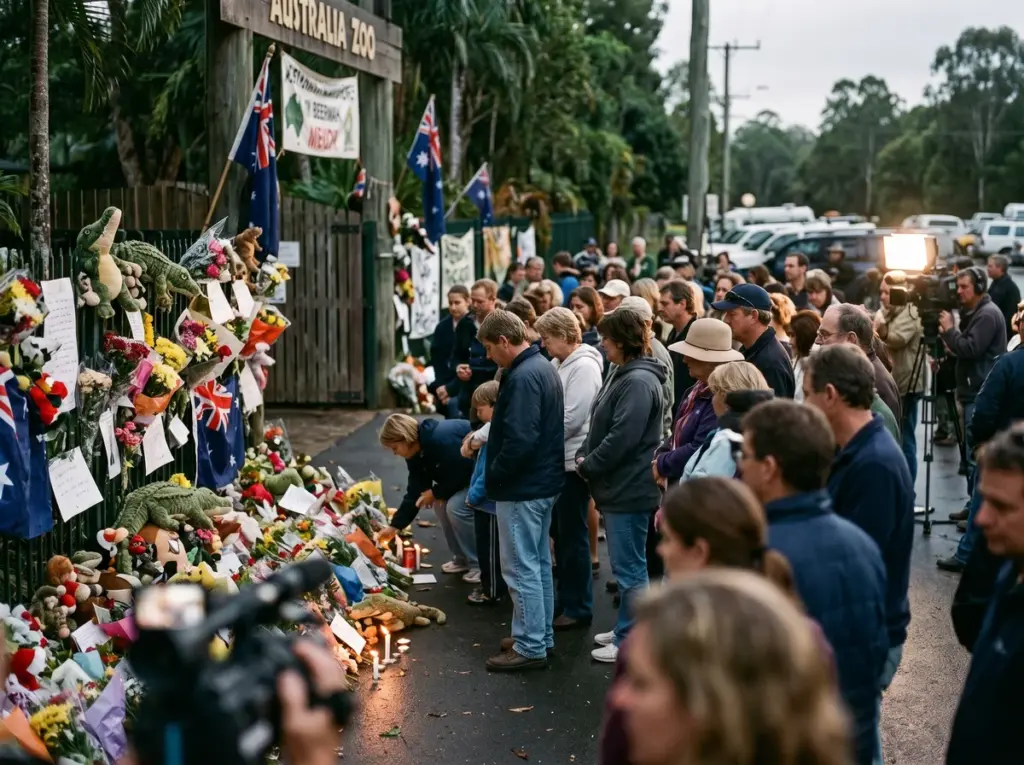
Steve died on 4 September 2006 after a stingray barb pierced his heart near Port Douglas, Queensland. He was 44 years old. His death shocked people across Australia and around the world, and those who lived through that day are unlikely to forget it.
Both the incident itself and the outpouring that followed are worth understanding.
The Stingray Incident at Batt Reef
Few wildlife experts ever face danger on camera. But Steve Irwin met his end of it, in shallow water. He was snorkelling at Batt Reef near Port Douglas while filming Ocean’s Deadliest, an underwater documentary series. A stingray thrust its barb upward as Steve swam over it. The barb pierced his chest and fatally injured his heart.
The crew responded immediately, but there was nothing they could do. Producer John Stainton, his closest friend, was on the boat that day and later described it as the saddest moment of his life.
How the World Reacted to His Death
The global response to Irwin’s death showed just how far his reach had extended beyond Australia.
Around 5,000 people packed into the Crocoseum at Australia Zoo for his memorial service on 20 September 2006 (even the toughest Aussies shed a tear). Hundreds of millions more watched the broadcast live across Australia, Asia, and the US.
Eight-year-old Bindi walked onto that stage and delivered a tribute that left virtually no one dry-eyed. Her father, she told the crowd, was her hero.
What Made the Crocodile Hunter a Global Phenomenon?
The Crocodile Hunter became a global phenomenon because Steve Irwin made wildlife television deeply personal and impossible to look away from. Nobody had ever presented animals with the same raw enthusiasm as he did. He also had a unique way of getting incredibly close to the creatures in front of him.
These factors helped Steve Irwin rise from a Queensland zookeeper to worldwide television fame:
- A Show Born on a Honeymoon: Steve and Terri spent their 1992 honeymoon trapping crocodiles in Far North Queensland. Producer John Stainton filmed it, and that footage became the first episode of The Crocodile Hunter television series.
- Broadcast Across 200 Countries: At its peak, the show aired in over 200 countries worldwide, up from 137 when it first gained international distribution in 1999. It remains the second-longest-running programme in Discovery Communications network history, behind MythBusters.
- 500 Million Viewers: The Crocodile Hunter reached up to 500 million viewers worldwide. Its enormous audience placed it among the most widely watched nature programmes in television history.
- A Style Nobody Had Seen Before: The BBC and National Geographic kept their presenters at a careful distance from the animals. Steve jumped on them. It was loud, physical, and completely unscripted in feel, and that’s exactly why it worked.
- “Crikey!” Goes Global: His catchphrase became one of the most recognised expressions on television. Paired with the signature khaki shirt and shorts, Steve’s look and voice were instantly identifiable anywhere in the world.
- The Tonight Show Breakthrough: Steve’s 1999 appearance on The Tonight Show with Jay Leno introduced him to a huge mainstream North American audience. As Cameron Diaz later put it, Americans just flipped for him.
His natural enthusiasm made for great television, and his personality had an authenticity that no amount of production polish could recreate.
What Did Steve Irwin Do for Conservation?
Steve Irwin built one of Australia’s most active conservation networks to protect endangered species on land and at sea. His conservation efforts also included extensive work away from television. He relocated crocodiles, protected wetlands, and established organisations that continue their work today.
Mr Irwin’s conservation work focused on three main areas:
Wildlife Warriors Worldwide
Wildlife Warriors is the conservation organisation Steve and Terri Irwin founded in 2002 to protect injured and endangered wildlife. It started with a clear mission: rescue, rehabilitate, and release. The organisation took in crocodiles, sea turtles, and other at-risk wildlife across Australia and beyond (every animal deserves a fair chance).
The response to Steve’s death reflected the lasting impact of his conservation work. Within weeks of Steve’s death, public support for Wildlife Warriors grew rapidly. By October 2006, donations had reached A$2 million, according to the charity’s executive manager, Michael Hornby.
The Steve Irwin Wildlife Reserve
The Steve Irwin Wildlife Reserve covers 135,000 hectares on Cape York and protects some of Queensland’s most at-risk habitats.
The reserve sits on the Wenlock River in Far North Queensland and is home to a network of spring-fed wetlands. Those wetlands are a permanent water source for some of the region’s rarest and most vulnerable plant and animal species.
The reserve also serves as an active centre for wildlife conservation and research. Every year, the Irwin family conducts crocodile research there and continues the work Steve started decades ago.
The Crocodile Hunter’s Impact on Australian Tourism
Long before influencer marketing existed, Steve Irwin was single-handedly selling Australia to the world.
Tourism Australia described his contribution to Australian tourism as immeasurable. In 1999, The Crocodile Hunter had reached audiences in 137 countries and introduced international viewers to Queensland’s wildlife and landscapes.
By 2002, Australia Zoo had become Queensland’s biggest tourist attraction. Steve received the Tourism Export of the Year award in 2004. He later earned a Services to Inbound Tourism Award in February 2006, just months before his death.
Tourism remains an important part of Queensland’s economy. Our article on Brisbane’s business growth explores how visitor spending supports local industries.
How Has the Irwin Family Continued His Work?
The Irwin family has kept Steve’s mission alive through Australia Zoo, Wildlife Warriors, and two decades of hands-on conservation work. After his death, Terri, Bindi, and Robert continued his efforts with the same dedication. Each has built their own public profile while remaining committed to the wildlife conservation mission Steve started.
Four things show just how far that commitment goes:
- Terri Irwin and Australia Zoo: She took over as owner after Steve’s death and hasn’t stopped since. Australia Zoo on Queensland’s Sunshine Coast now draws around 700,000 visitors a year, which makes it one of the country’s most visited wildlife attractions.
- Bindi Irwin’s Public Role: Growing up in front of cameras didn’t slow Bindi down. She won Dancing with the Stars US in 2015 and built a global following. Since then, she’s dedicated her adult life to advocating for Wildlife Warriors and the protection of endangered species.
- Robert Irwin’s Rise: Wildlife photography, television presenting, winning Dancing with the Stars US in 2025, and hosting the 2026 Logies, Robert has done all of it. At the Logies, he brought reptiles on stage, just as his father did at the same event in 2003.
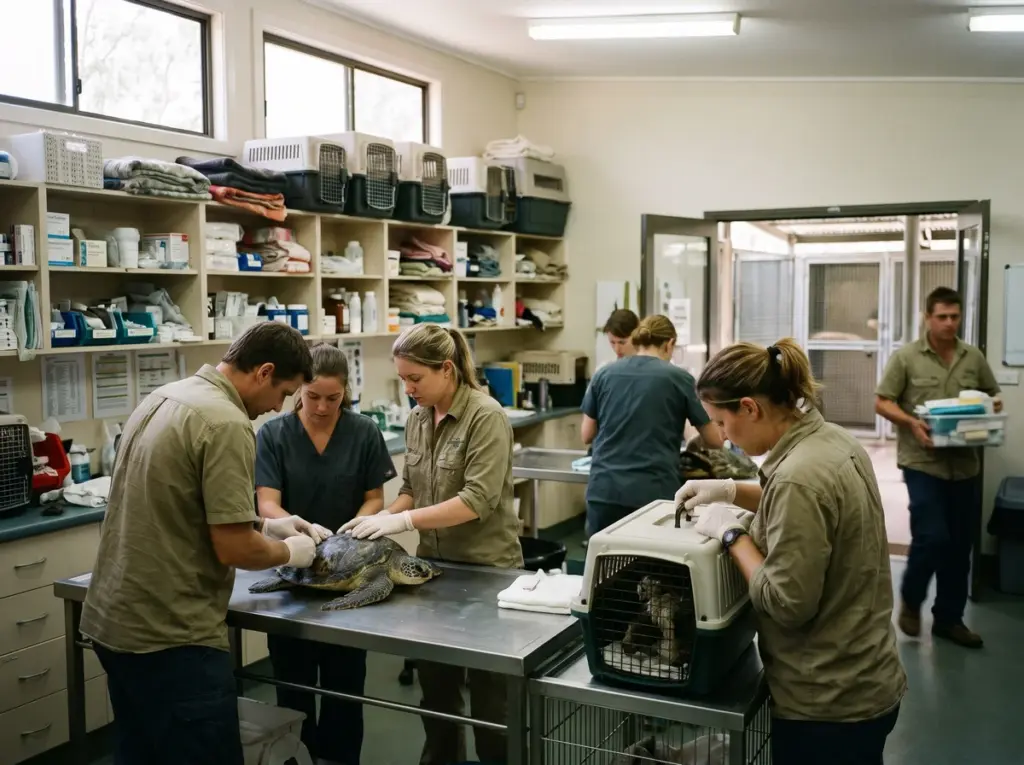
- 90,000 Animals Rescued: The Australia Zoo Wildlife Hospital has treated over 90,000 animals since Steve’s time, including hundreds of wildlife casualties from Australia’s devastating bushfires. That number is the direct continuation of everything Steve built.
Twenty years on, the Irwin family continues to honour Steve’s memory through their dedication to wildlife conservation and the mission he started.
How Steve Irwin Changed Conservation Forever
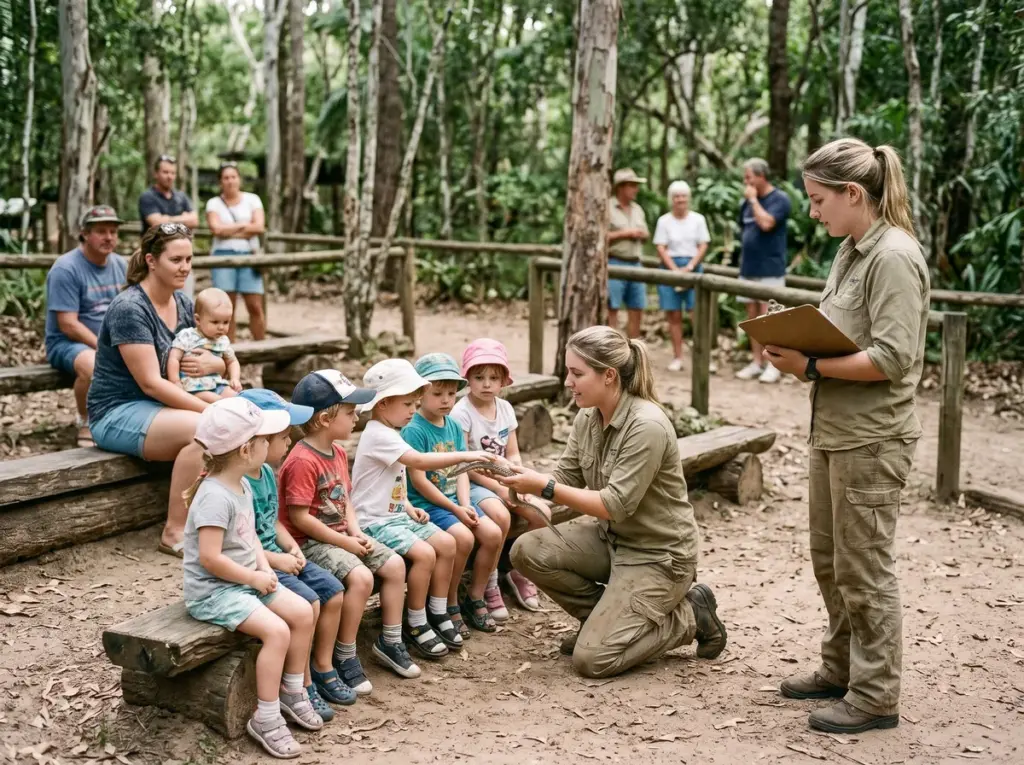
Steve Irwin changed conservation by making wildlife education entertaining, accessible, and impossible for mainstream audiences to ignore. Before him, conservation was largely the domain of scientists, academics, and dedicated naturalists. He pulled it out of that world and dropped it straight into living rooms across the globe.
Both the public impact and the generational ripple are worth looking at closely.
He Made Wildlife Education Mainstream
Before Steve Irwin, nature documentaries rarely attracted the attention of mainstream television audiences. He changed that completely with his fearless, hands-on approach to wildlife. Steve got close to animals, handled them with confidence, and spoke directly to viewers about why they deserved protection.
His documentary series reached audiences in 142 countries, including across Asia, where wildlife conservation had rarely broken through to mainstream television. The model he built, entertainment fused with genuine education, is one that wildlife communicators still follow today.
The “Irwin Effect” on a Generation of Conservationists
How does Steve Irwin’s conservation legacy continue today? Wildlife Warriors supports conservation projects worldwide, while Australia Zoo’s wildlife hospital has treated over 90,000 animals.
These efforts reflect the work Steve started, but his influence also reaches people who grew up watching The Crocodile Hunter and later pursued careers in wildlife conservation. He made animals that most people feared, crocodiles, snakes, and stingrays, feel worth protecting.
In short, Mr Irwin’s television programmes played a major role in changing public attitudes towards these species. His dedication to animal welfare also reflects a cause other prominent Australians have supported.
Closer to Steve’s own legacy, Robert and Bindi Irwin continue his conservation work through their public platforms. Both have built international audiences and use their influence to promote wildlife protection, just as their father did.
What Is Australia Zoo Today?
Australia Zoo reflects Steve Irwin’s lifelong commitment to wildlife conservation. It stands on the same Queensland property where his parents established a wildlife park on just four acres in 1970.
A visit to Australia Zoo offers a closer look at Steve’s passion for wildlife and the conservation work he started.
What Steve Built at Australia Zoo
Steve’s approach to wildlife conservation at Australia Zoo centred on one principle: conservation through exciting education. He applied this idea to every exhibit, show, and animal encounter at the zoo.
Under his leadership, the zoo grew into a 700-acre facility housing over 1,200 animals. He added the Crocoseum, a 5,500-seat stadium where the crocodile shows became world-famous, along with a rainforest aviary and the Tiger Temple.
In July 2006, just two months before his death, Steve sat down with Terri to map out a ten-year business plan for the zoo’s future.
Steve Irwin’s Vision for the Zoo’s Future
Sadly, that ten-year plan never got to be Steve’s to execute. But Terri, Bindi, and Robert have carried it forward anyway.
Today, Bindi serves as the zoo’s chief executive officer. Robert and Bindi’s husband, Chandler Powell, also work as part of the management team. The zoo welcomes around 700,000 visitors annually and supports conservation programs across Australia and overseas.
Steve wanted Australia Zoo to become the best zoo in the world, with wildlife conservation at the heart of its success. He valued the zoo’s contribution to animal protection over its size or appearance (a zoo’s reputation means little to an injured animal).
Two decades after his death, his family continues to work towards that goal.
Crikey, What a Legacy!
Twenty years after his death, Steve Irwin’s influence continues through the conservation work he inspired. What began as a four-acre reptile park in Beerwah grew into a global conservation movement. Steve’s lifelong passion for wildlife helped make that possible.
Terri, Bindi, and Robert have continued Steve’s conservation mission since his death in September 2006. Through their work at Australia Zoo and Wildlife Warriors, they continue to protect animals and support the causes he cared about.
If Steve’s story has inspired you, the best way to honour it is to support Wildlife Warriors and keep his work alive.
For more inspiring accounts of Australians who’ve made a lasting impact, explore our stories at Australian Business Magazine. You’ll learn about the people and achievements that have helped define our nation.
Frequently Asked Questions About Steve Irwin
Steve Irwin’s life still sparks plenty of curiosity, especially among younger Australians. These frequently asked questions cover a few lesser-known details about his family, education, and annual tribute.
When Is Steve Irwin Day Celebrated in Australia?
Steve Irwin Day falls on 15 November each year. The annual event celebrates his life and encourages people to support wildlife conservation. Australia Zoo marks the occasion with special activities and celebrations.
Why Was Bindi Irwin Called the Jungle Girl?
Steve Irwin’s daughter Bindi starred in Bindi the Jungle Girl, a children’s wildlife TV series that premiered in 2007. The programme introduced young audiences to animal behaviour, habitats, and conservation through educational adventures.
Did Steve Irwin Have a Background in Integrative Biology?
Steve Irwin didn’t hold a formal degree in integrative biology. His wildlife expertise came through practical experience, field research, and years of animal handling. Mr Irwin’s research contributions later earned him academic recognition.