
As of May 2025, Nick Molnar’s net worth sits at A$1.11 billion. The Australian co-founder of Afterpay became the country’s youngest self-made billionaire.
But his journey to fintech royalty didn’t start in a boardroom or venture capital office. Guess what? It started in his bedroom, selling jewellery on eBay!
Now you might be thinking: how did someone hawking jewellery online end up building a business that sold for $29 billion? The answer involves a curious neighbour, a boss who fired him for his own good, and spotting a retail gap that an entire generation was desperate to fill.
Read on to get the complete story behind Molnar’s rise and the Afterpay empire.
What Is Nick Molnar’s Net Worth?
As we already mentioned, Nick Molnar’s current net worth stands at A$1.11 billion as of May 2025, according to the Australian Financial Review Rich List.
His wealth peaked at over A$2 billion in 2021 following the Block acquisition, but fluctuated with tech stock market volatility. So what happened? Well, his fortune is tied directly to Block‘s share price, which has seen its fair share of ups and downs over the years.
The turning point came in 2020, when Molnar became Australia’s youngest self-made billionaire, driven by the platform’s pandemic-era share price explosion. His wealth came from his 7% ownership in Afterpay, which he and co-founder Anthony Eisen built from scratch.
Who Is Nick Molnar?
Born in February 1990, Nick grew up in Sydney working in his family’s jewellery business, which sparked his early entrepreneurial instincts. The exposure taught him how retail works long before most kids even thought about business.
And while attending Sydney’s Moriah College, he was already running his own operation online. Later, he graduated with a Bachelor of Commerce from the University of Sydney before launching his fintech empire at age 24. Molnar stands out as a young entrepreneur who built something truly global, proving Australian startups can compete on the world stage.
What Is Afterpay?
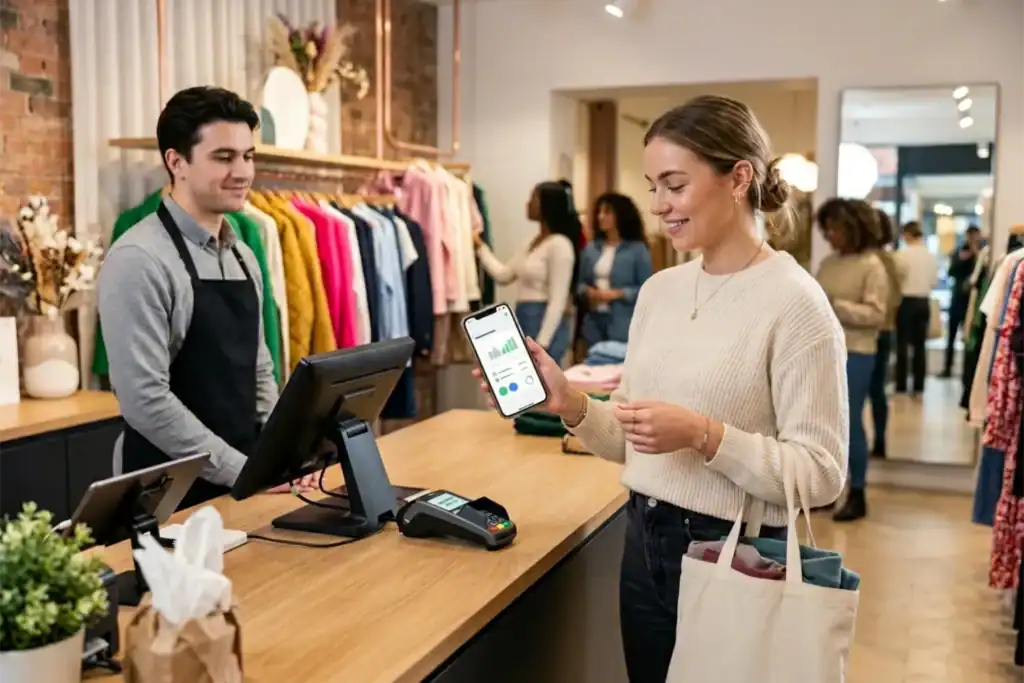
Afterpay is the buy now, pay later (BNPL) platform that Nick Molnar co-founded, which allows customers to split purchases into four interest-free instalments. The payment model looks like this:
How Afterpay Works (Customer vs. Merchant View)
| For Customers | For Merchants | For Afterpay |
| Buy a $100 item instantly | Receive payment the next day | Charges the merchant a 4-6% fee |
| Pay $25 every 2 weeks (4 payments) | No risk of non-payment | Takes on all credit risk |
| Zero interest if paid on time | Access to millennial shoppers | Earns late fees (maximum 25%) |
| Late fees only if payment is missed | Increased average order value | Processes billions in transactions |
The platform is changing how millions of consumers manage their money. And we’ll break down exactly why this model works so well.
How Buy Now, Pay Later Works
The beauty of Afterpay’s model is that everyone wins. Customers get immediate purchases without paying the full amount upfront and can spread the cost across four payments. The platform charges zero interest if payments are made on time, with late fees reaching a maximum of 25%.
Meanwhile, merchants pay Afterpay a 4-6% transaction fee and receive payment the next day, while the company handles all credit risk (pretty sweet deal for retailers who hate chasing payments).
The Millennials Loved It
Nick spotted something other payment companies missed: an entire generation that refused to touch credit cards after watching the 2008 crisis unfold. Millennials who grew up during the global financial crisis avoided credit cards and preferred debit spending.
So naturally, this interest-free model fit their preferences perfectly. The platform offered budgeting control, flexibility, and straightforward terms without the debt traps associated with traditional credit. Consumers could buy now and pay later while staying in control of their finances, and that resonated with younger shoppers globally
How Did Nick Molnar Start as an Entrepreneur?
Drawing from our conversations with Australian e-commerce founders, Molnar’s entrepreneurial journey started the same way many do: with a small idea and relentless execution.
While attending Moriah College in Sydney, he began selling jewellery on eBay from his bedroom, eventually becoming Australia’s top jewellery seller on the site. The retail skills he picked up during those late nights packing boxes would prove invaluable down the track.
He didn’t stop there. Molnar cold-emailed Ice.com‘s CEO one morning, asking to launch their Australian site. Then he booked a flight to Vegas before the CEO even replied(who books a flight before getting confirmation?). Anyway, the gamble paid off.
That meeting became the foundation for Ice Online, which grew to A$2 million in annual revenue while Molnar was still at university. Much like other Aussie entrepreneurs turning everyday ideas into profitable ventures, he was building something real in pursuit of his bigger vision.
The business performed well, but someone else saw even more potential in Molnar than he saw in himself.
Who Gave Nick Molnar the Push to Go Full-Time?
Mark Carnegie, founder of venture capital firm M.H. Carnegie & Co., told Molnar in 2012 that he was wasting his potential staying in a day job.
Carnegie had watched Molnar juggle his day job with Ice Online for months. While most bosses would’ve been annoyed by an employee running a side business, Carnegie did the opposite. He offered to hold Molnar’s job for a year, giving him the confidence to pursue entrepreneurship without risking total financial failure.
And fortunately, the encouragement worked. Following his decision to leave M.H. Carnegie, Molnar focused on Ice Online full-time and never returned to traditional employment.
In short, Carnegie’s commitment to pushing Molnar forward gave him what he needed to succeed as an Australian entrepreneur (the belief that the leap was worth taking).
How Did Nick Molnar and Anthony Eisen Meet?
The partnership between Nick Molnar and Anthony Eisen began with a curious neighbour taking out the trash.
Eisen, a former chief investment officer at Guinness Peat Group, lived next door to the Molnar family in Sydney’s Rose Bay suburb. He noticed something odd. The lights stayed on upstairs at the Molnar house every night, and the next morning, Nick and his mother would carry boxes to the post office.
So naturally, Eisen got curious (who wouldn’t be, watching mysterious late-night operations next door?) During a chance encounter at the bins, he approached Nick’s father and asked what was going on. That conversation led to Eisen meeting Nick directly. The two started discussing millennial spending habits and the retail industry.
It didn’t take long for them to realise they were onto something. They shared a vision for solving a problem that neither traditional banks nor credit card companies wanted to address. And they wanted to give consumers a way to pay for purchases without the baggage of credit cards.
Within months, the co-founder duo had mapped out what would become Afterpay, working from their homes in Sydney throughout 2014.
How Did Afterpay Grow From Startup to Billion-Dollar Company?
Launching a revolutionary payment platform wasn’t smooth sailing. Molnar faced rejection, regulatory scrutiny, and sceptical retailers before the platform took off globally.
However, those early stumbles taught him valuable lessons about building trust. And we’ll break it down in detail in this section.
Early Setbacks
The platform’s very first retail partner removed the service shortly after launch, believing it wasn’t working for their customer base. Most founders would’ve panicked. But Molnar took a different approach.
Instead of giving up, he tapped into grassroots marketing. He encouraged customers to request Afterpay from their favourite stores, which built demand from the bottom up.
Regulators questioned whether BNPL services should count as consumer credit, creating early legal uncertainty. On top of that, convincing retailers to adopt an unproven payment method required relentless hustle. Molnar had to build trust with merchants who didn’t yet understand how the model would help them attract younger shoppers.
Breaking Into the US Market
After proving the model worked in Australia, Afterpay launched in the United States in 2018, betting that American millennials shared the same credit card aversion as Australians.
The vision paid off more quickly than anyone expected. Within less than two years, US users outnumbered Australian customers despite Australia’s multi-year head start in market penetration. The growth came through strategic partnerships with major retailers likeUrban Outfitters, Anthropologie, and Free People, who recognised the potential immediately.
Those numbers proved that startup culture in Australia can produce global winners. The platform had gone from a Sydney startup to an international fintech player in just a few years.
How Did the Pandemic Make Nick Molnar a Billionaire?
In eight months during 2020, Nick Molnar’s net worth multiplied several times over as COVID-19 accelerated e-commerce adoption worldwide. The numbers tell an incredible story of timing and market demand.
Stock Price Surge
Afterpay’s share price rocketed from A$8 in March 2020 to A$105 by November (not a typo, genuinely a 1,300% increase). The truth is, the pandemic pushed consumers toward e-commerce because physical stores closed and shoppers avoided crowded malls. The platform captured the shift from physical stores to online retail at exactly the right moment.
The change was dramatic. For context, Chinese tech giant Tencent invested A$300 million in exchange for a 5% stake in the company, signalling global confidence in the business model.
Bottom Line: A lot of technology companies struggled during those chaotic months, but Afterpay succeeded because millions of shoppers suddenly needed flexible payment options while managing uncertain finances.
Becoming Australia’s Youngest Self-Made Billionaire
At just 30 years old, Nick Molnar crossed into billionaire territory as Afterpay’s valuation soared. His 7% stake in the company translated to personal wealth exceeding A$2 billion at the peak of the pandemic boom.
As his stake’s value skyrocketed, he became Australia’s youngest self-made billionaire in 2020. That achievement put him on the global stage in a way few Australian entrepreneurs had experienced.
Looking back years later, Molnar would say the rapid wealth felt surreal. But his life was about to change again when one of the world’s largest tech companies came calling.
Why Did Block Acquire Afterpay for $29 Billion?
When Jack Dorsey’s Block announced the Afterpay acquisition in August 2021, it became the largest deal in Australian corporate history. The decision wasn’t made overnight, though. Dorsey had spent months evaluating how buy now, pay later could fit into Block’s ecosystem.
Here’s why the Twitter co-founder bet big on buy now, pay later.
Jack Dorsey’s Vision
Jack Dorsey, Block‘s founder and former Twitter CEO, saw buy now, pay later as the future of consumer payments worldwide. The acquisition brought together Block’s 70 million Cash App users with Afterpay’s 16.2 million customers, opening huge cross-selling potential.
More than that, Dorsey shared Molnar’s vision for making payments more accessible. He wanted to create an integrated ecosystem where younger consumers could shop, pay, and manage money without traditional banking barriers. The deal closed in January 2022, with Molnar and Eisen receiving US$1.8 billion each for their shares.
Integration With Square and Cash App
The deal gave Square merchants instant access to Afterpay’s payment solution while connecting Cash App’s 70 million users to thousands of new retailers. Afterpay customers gained access to Cash App‘s tools, including:
- Money transfers
- Stock purchases
- Bitcoin investments
- Exclusive Cash Boost rewards
On top of that, Cash App users could discover merchants and special BNPL offers directly within the app, which tied shopping and payments together. The integration meant Block could now serve both sides of every transaction. As a result, retailers gained more customers, and shoppers received flexible payment options.
What Does Nick Molnar Do at Block Today?
Molnar now serves as Block’s Global Head of Sales, overseeing the company’s entire sales, marketing, and communications operations. He took on this role in August 2024, reporting directly to Jack Dorsey. His responsibilities span all three:
- Square
- Cash App
- Afterpay
What’s more, Molnar manages Block Inc’s entire A$24 billion revenue line, which makes him one of the most powerful executives in the tech industry today. Industry insiders even suggest he could eventually become Block’s CEO if Dorsey decides to step back from day-to-day operations in the coming years.
For now, he’s focused on expanding Block’s reach globally. The company has become one of the biggest players to follow in fintech, and Molnar’s retail expertise helps Square merchants and Cash App users stay connected to the pay-later services they rely on.
The Entrepreneurial Journey Behind Afterpay’s Success
Nick Molnar’s entrepreneurial journey proves that spotting a market gap and acting on it can change everything. He started selling jewellery in his bedroom and eventually built Afterpay into a global payments platform. Basically, his story shows what happens when retail innovation meets perfect timing.
After the Block acquisition, Molnar remains one of Australia’s most successful tech entrepreneurs. He understood what consumers wanted before traditional banks did — and that made Afterpay a household name. At the end of the day, his billion-dollar success came from solving a real problem for millions of shoppers.
Want to share your own business story or learn more about Australian entrepreneurs making waves? Visit Australian Business Magazine for inspiring profiles and practical insights.
FAQs
We understand Nick Molnar’s story is a compelling one, and many aspiring entrepreneurs often look up to his journey. The most common questions we hear are:
What Advice Does Nick Molnar Give to Young Entrepreneurs?
Molnar often tells aspiring founders that taking the leap from a corporate job to full-time entrepreneurship is the hardest decision they’ll make. In hindsight, he calls his lack of business experience a “superpower” because he had no past failures telling him the idea wouldn’t work.
His advice? Don’t wait until every sign points to guaranteed success.
How Did the Co-Founder Partnership Between Nick Molnar and Anthony Eisen Work?
The co-founder dynamic between Molnar and Eisen tells a compelling story about complementary skills. Molnar brought retail instincts, while Eisen contributed financial expertise from his background as Chief Investment Officer at Guinness Peat Group.
They operated as co-CEOs from 2020 until the Block acquisition, demonstrating how BNPL companies could balance growth with risk management. Their partnership proved that age gaps don’t matter when values align.
Is Nick Molnar Still Involved With Ice Online?
Ice Online, the jewellery website Molnar launched before Afterpay, still operates today under different ownership. However, Molnar sold the business years ago to focus entirely on Afterpay’s growth.