
If you’re curious about Australia’s tech success stories, you might have heard of Didier Elzinga. He’s the founder of Culture Amp, one of Melbourne’s biggest startup exports. There are a few more things worth knowing about his path, including how a film career led him here.
Before we get into his current role, we want to give you a brief look at where Elzinga started. Then, we’ll talk about why he left visual effects behind. After that, you’ll know how Culture Amp grew into a company built around a better world of work.
Since Australian Business Magazine has covered plenty of local Aussie Entrepreneurs, we know the pattern behind lasting success. Even if you’ve never worked in HR tech, this story still applies.
So, let’s get started with where it all began.
Didier Elzinga: A Quick Introduction

Elzinga built his career on people, feedback, and workplace culture, in that exact order. Elzinga is the CEO and founder of Culture Amp, a platform that helps companies understand what their employees actually think. It’s grown into one of the most recognised names in employee experience software.
Before Culture Amp, though, his background looked nothing like a typical tech founder’s. He spent over a decade in a completely different industry, one built on visuals and storytelling rather than data and surveys. That shift alone makes his story worth digging into.
Today, the company he leads operates well beyond Melbourne. Offices span several countries, and the Culture Amp platform now supports thousands of businesses worldwide. Here’s how it all came together.
Didier Elzinga’s Early Days in the Film Industry
Long before employee surveys, Elzinga spent his days working on Harry Potter and Batman. Put simply, his first career had nothing to do with software or workplace culture at all.
He built his early reputation in an entirely different industry, one full of tight deadlines and big-budget creativity. Below, we’ll have a quick look at that chapter of his life:
- 13 Years at Rising Sun Pictures: Elzinga joined the studio as a software engineer and worked his way up over more than a decade. He became CEO of Rising Sun Pictures at just 26 years old.
- Blockbuster Film Credits: The studio’s visual effects work appeared in Harry Potter, Lord of the Rings, and the Batman films. Few people realise a Melbourne-based team touched some of Hollywood’s biggest releases (a detail most film credits never mention).
- A Technical Academy Award Win: Rising Sun Research, the studio’s technical arm, earned a Technical Academy Award for its contributions to visual effects. That kind of recognition doesn’t come easily in such a competitive industry.
By 2009, Elzinga had spent 13 years building a career most people only dream about. But something was still missing.
Why Did Didier Elzinga Leave Film for Culture Amp?
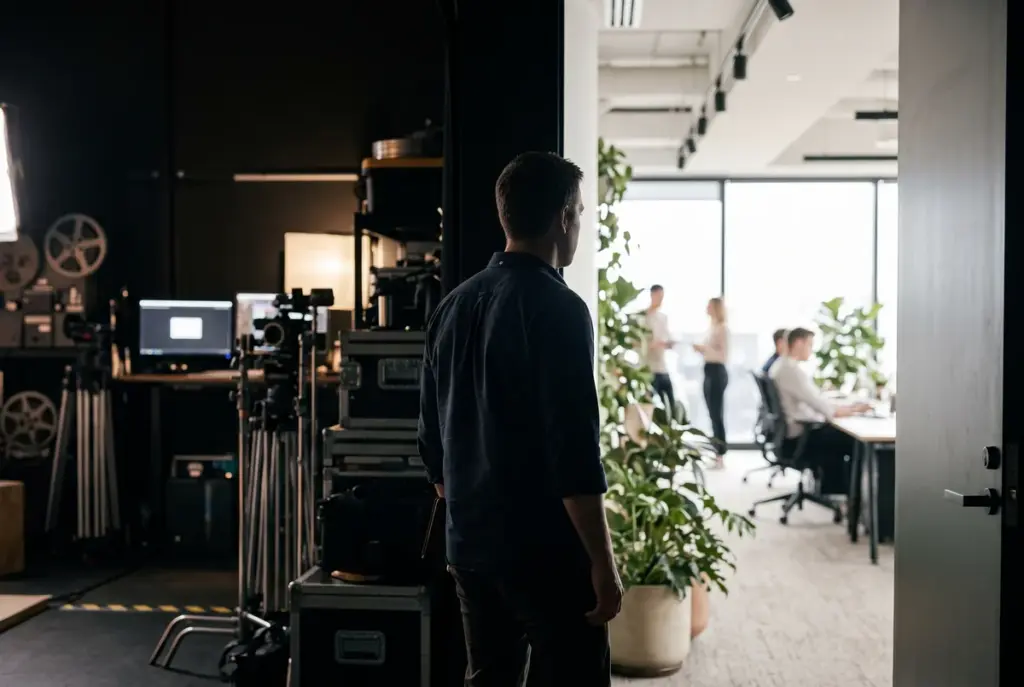
Walking away from film gave Elzinga the freedom to build something with lasting purpose. Even successful people sometimes need a completely different challenge. Also, staying comfortable for too long can quietly stall your own growth.
Here’s what pushed him toward that decision:
- Felt like a glorified psychiatrist, not an engineer
- Wanted deeper meaning beyond blockbuster visual effects
- Noticed the industry’s unpredictable, project-based nature
- Craved something built on culture, not deadlines
- Saw a gap in how companies measured feedback
At the end of the day, Elzinga wanted more control over the impact of his work (a familiar feeling for plenty of Struggling Business Owners). Film projects came and went, but he wanted to build something that lasted. That search for purpose eventually led him toward Culture Amp.
Building Culture Amp From the Ground Up
Culture Amp didn’t start in a boardroom. It started in a co-working space in Richmond, Victoria. That’s where the first operational work began. Now, we’ll explore how a handful of engineers turned that space into a global company.
The Founding Team and Their Roles
Didier Elzinga co-founded Culture Amp in 2009 alongside Doug English, Rod Hamilton, and Jon Williams. Each of them brought engineering and product experience from earlier Melbourne startups. Together, they were on the same page about building something people-focused from day one.
Basically, the team crossed paths through that same co-working space, where software engineers traded ideas over shared desks. It wasn’t glamorous, but it worked.
How the Culture Deck Shaped the Company
This is where most people go wrong: they scale first and figure out values later. However, the founders did the opposite. They built an early culture deck to define what mattered to them before growing the team.
That deck outlined how feedback, trust, and transparency would guide everyday decisions. Even now, new joiners still get pointed to it during onboarding.
Turning Employee Feedback Into a Business Model
Culture Amp turned its own internal feedback habits into a sellable product. The platform launched commercially in 2011, two years after the founders first started building it.
Early clients were fast-growing tech companies who wanted real employee feedback data, not just gut feelings. That’s how Culture Amp found its first real traction in the market.
What Does Culture First Actually Mean at Culture Amp?

Culture first means Culture Amp treats its own workplace culture as seriously as its product. The truth is, plenty of companies say this. Few actually build systems around it. Here’s how that principle plays out day to day.
| Culture First Principle | What It Looks Like in Practice |
| Feedback over guesswork | Regular employee surveys guide real decisions |
| Transparency as default | Leadership shares data openly with teams |
| Culture as strategy | Culture sits alongside revenue in planning meetings |
| Certified accountability | B Corporation status keeps commitments measurable |
This runs deeper than internal messaging, though. Culture Amp applies these same principles before selling them to clients, which gives the approach more credibility. The company holds B Corporation certification, and that status ties its culture-first claims to something independently verified.
For small business owners watching every dollar, this might sound like a big-company luxury. But even a lean small business budget can support small culture-first habits, like regular check-ins or honest feedback loops, without needing fancy software.
Didier Elzinga’s Role Today: CEO and Culture Amp’s Public Face
Now that you know how Culture Amp started, here’s where Elzinga stands today. His role has grown well past the founder tag he started with.
From Founder to Board-Level Leadership
Elzinga remains CEO, yet he’s also taken on outside responsibilities down the track. He sits on the boards of the Atlassian Foundation and the Alfred Foundation, two roles that stretch beyond his day-to-day at Culture Amp (not something every CEO manages long-term).
From what we’ve seen across dozens of founder profiles, staying this hands-on after over a decade is rare. Most founders either step back or step away entirely. Elzinga has done neither.
According to Forbes Australia, Culture Amp is now working toward a NASDAQ listing within five years, with major clients like the NBA and Canva already on board.
How Culture Amp Supports Employee Experience at Scale
Culture Amp now serves thousands of companies, including well-known names like Airbnb. The platform brings together surveys, performance reviews, and development tools in one place.
What’s more, the company has offices in Melbourne, San Francisco, New York, and London, plus other markets across Europe. Elzinga has also guided the company through funding rounds totalling close to 100 million dollars, including a Series F round led by Sequoia Capital China and TDM Growth Partners.
That raise valued Culture Amp at more than 1.5 billion dollars, cementing its place among Australia’s most successful companies.
Didier Elzinga’s Recognition and Forbes Australia Features

Awards and headlines don’t happen by accident, and Elzinga’s trophy shelf proves it. His name keeps showing up wherever Australian tech achievement gets discussed.
Part of that comes down to timing. Elzinga built Culture Amp during a period when workplace culture shifted from a nice-to-have into a genuine business priority. That positioning helped the company, and its founder, earn attention well beyond Melbourne’s startup scene.
He’s also become something of a prolific storyteller in Australian tech circles. Between conference talks and media features, Elzinga’s story now reaches founders who’ve never worked in HR software at all.
Take a look at what’s landed on his shelf so far:
- The 2023 Pearcey Award: Elzinga picked up the Pearcey Award for Victorian Entrepreneur first. Later that same year, he went on to win the National Entrepreneur Award too, a rare double for one founder.
- Forbes Australia Coverage: Forbes Australia ran a feature on how Elzinga built Culture Amp into a company worth over two billion dollars. The piece traced his path from film executive to tech founder in detail.
- Unicorn Status Achieved: Culture Amp officially reached unicorn status after its Series F funding round closed in 2021. That milestone placed the company among a small group of Australian tech success stories.
- A Voice on Culture and Creativity: Elzinga now presents widely on culture and creativity at industry events. He often draws on lessons from both his film career and his years building Culture Amp.
Bottom line? These wins reflect more than luck. They point to a founder who understood something about the future of work well before most of his industry caught up.
A Culture Worth Learning For New Joiners
Elzinga didn’t just change careers; he changed what a workplace could look like. His path from Rising Sun Pictures to Culture Amp shows what happens when someone chases meaning over comfort.
Whether you run a five-person team or a growing company, his story offers a simple lesson. Culture isn’t something you bolt on later. It’s something you build from day one, the same way Elzinga did.
Got questions about applying any of this to your own business? Get in Touch with the ABmag team, and let’s talk through it together.
Frequently Asked Questions (FAQs)
Got a few more questions rattling around? Let’s clear those up before you go.
Who Is CEO Didier Elzinga, and What Does He Do Today?
Didier Elzinga is the CEO of Culture Amp, a role he’s held since founding the company. These days, his focus extends past daily operations into the next stage of growth, including how the platform supports diversity efforts inside client organisations.
Is Culture Amp a “Culture First Company,” and What Does That Involve?
Yes, Culture Amp calls itself a culture first company, and it treats that label as more than marketing. It means talent decisions, hiring, and internal policy all reflect the same importance placed on employee wellbeing that the platform promotes to clients.
Where Are Culture Amp’s International Offices Located?
Culture Amp opened its first international office in San Francisco after its 2015 funding round. Since then, it has added offices in Melbourne, San Francisco, New York, and London. This variety of locations gave the company a genuine international office footprint across major markets.
Does Culture Amp Use AI in Its Platform?
Yes, Culture Amp includes an AI Coach feature within its platform. It uses technology to help managers get quick, practical suggestions during one-on-one conversations with their teams.
How Did Didier Elzinga Create Culture Amp’s Early Culture?
In the early days, Elzinga worked with his co-founders to create a culture deck before scaling the team. That early decision shaped how the company still operates, well past its founding years.
What Makes Didier Elzinga a Prolific Storyteller in Australian Tech?
Didier presents widely across conferences and media interviews, often blending lessons from his film career with his tech journey. That mix makes his talks stand out from typical founder pitches.
Why Does Culture Amp’s Approach Support Diversity and Inclusion?
Culture Amp builds diversity considerations directly into its survey and feedback tools. This gives companies a clearer picture of how inclusive their workplace actually feels, not just how it looks on paper.