If you’re trying to start a business in Australia, it’s very normal to get confused between a sole trader or company setup. Both are valid options because each one serves its own distinct purpose depending on where you’re at right now.
In this article, we’re going to elaborate on everything you need to know, including:
- Sole trader vs company
- Prime differences
- Tax and ongoing costs
- Legal liability
- Which suits you best
So, if you’re a freelancer, contractor, or small business owner struggling to pick the right structure, we’ll help you get rid of the confusion. Keep reading to find out which one actually fits your situation.
What Is a Sole Trader or Company, Really?
A sole trader is the simplest business structure available in Australia. It means one person owns and runs the business completely, and they are legally responsible for everything, including the debts and the decisions.
They’re a completely separate legal entity, which means a company exists independently from its owner. Unlike a sole trader, a company can hold business assets, sign contracts, and take on debts entirely in its own name.
Both options fall under the most common business structures in Australia, but they work very differently in practice. The sole trader business structure suits people who want to keep things simple, while a company structure suits those who want more protection and room to grow.
You’ll also need to register a business name (the trading name) with ASIC under either structure, unless you’re trading under your own legal name.
Understanding Differences Between a Sole Trader and Company Structure

The main difference between a sole trader and a company structure lies in how much legal and financial responsibility you carry personally. These affect things like your tax obligations, personal assets, and how much admin you’ll deal with every year.
Here’s a closer look at the three areas where it really counts.
How Legal Liability Works for Each
Legal liability is one of the clearest distinctions between a sole trader and a company setup. As a sole trader, you have unlimited personal liability, which means creditors can chase your personal assets if things go wrong.
But a company offers limited liability, so your savings, property, and personal funds stay protected from legal liabilities and company debts. For anyone carrying real financial risk, that separation can be the difference between losing everything and walking away intact.
For example, imagine a supplier takes you to court over an unpaid invoice. As a sole trader, that debt follows you home. Your car, savings, and property are all fair game. And a company keeps that liability contained within the business itself.
Business Finances: Who Owns What?
Ever wondered why accountants always say to keep your personal and business finances separate? That’s exactly why this distinction exists.
A sole trader mixes personal funds with business finances because there’s no legal separation between the two. A company, though, keeps its own separate business bank account and business assets, which makes tax reporting far cleaner and easier to manage.
That said, a company tracks its own income, expenses, and business assets independently. A sole trader, by contrast, has to manually separate personal and business transactions every single time.
Ongoing Costs and Admin to Expect
Sole traders have very low ongoing costs. We’re talking things like a basic ABN registration, optional business name renewal with ASIC, and your personal tax return once a year. That’s genuinely it.
A company, though, comes with an annual review fee payable to ASIC and company registration costs. You’ll also need to lodge a separate company tax return and keep detailed financial records year-round.
Companies need to meet stricter reporting deadlines throughout the year as well. The admin gap between the two is significant, so factor that into your decision early.
Company Tax Rate vs Sole Trader Tax: A Quick Look
Sole traders pay income tax rates that rise with every dollar they earn. Companies, on the other hand, pay a flat 25% tax rate if they qualify as a base rate entity.
See the table below to get a clearer picture.
| Structure | Tax Type | Rate |
| Sole Trader | Personal income tax | 0% to 45% (based on income) |
| Company | Corporate tax | 25% (base rate entity) or 30% |
So what does this actually mean for you? As a sole trader, your personal income and business income get taxed together. That means the more your sole trader business earns, the higher your tax rate climbs.
That said, a company pays corporate tax on its profits separately. That flat tax rate stays the same no matter how much the business earns. And so, many business owners make the switch once their income starts growing.
It’s also worth noting that the Australian Taxation Office treats these two structures very differently when it comes to tax benefits and deductions, so talking to a registered tax agent can help you figure out which one saves you more.
Limited Liability: Does It Actually Matter for Small Business?

Most people don’t think about personal asset protection until something goes wrong. By then, it’s usually too late.
Limited liability means your personal assets stay protected if the company runs into financial trouble. So your home, savings, and car aren’t on the line just because the business hits a rough patch.
Without that protection, though, there’s no such safety net. You and the business are the same legal entity, meaning personal liability is unlimited. If the business can’t pay its debts, creditors will come after everything you own.
Now, how much personal risk you’re actually carrying depends on your industry, income level, and the type of work you do. A freelance writer, for instance, carries far less risk than a construction contractor with a team of workers.
That’s exactly why some people choose to close a sole trader business and transition to a company structure as they grow. The limited liability protection alone can make that move worth it.
Common Business Structures Worth Knowing About
When you register a business in Australia, knowing all your business structure options upfront leads to a far more confident decision. It’s a useful starting point for any Aussie Entrepreneurs looking to compare their options before committing to a structure.
Here are the 4 common business structures worth knowing about:
- Sole Trader: The simplest business structure available. One person owns and runs the sole trader business, with full personal liability and minimal setup costs. There’s no separation between you and the business, so your personal tax return covers all business income too. It’s the most popular starting point for new business owners across Australia.
- Proprietary Limited Company: A separate legal entity that offers limited liability to its owners. It’s a more complex company business structure, but it comes with solid tax and legal advantages. Directors aren’t personally liable for company debts in most cases, and the flat corporate tax rate becomes a real advantage as revenue grows.
- Partnership: Two or more people run a business together and share the income. There’s no limited liability here, so each partner is personally responsible for business debts. A written partnership agreement isn’t legally required, but it’s strongly recommended to avoid disputes down the track.
- Trust: A trustee manages the business assets on behalf of beneficiaries. It’s a flexible structure for tax planning, but it’s also the most complex of the lot. Setup costs are higher, and the Australian Securities and Investments Commission, along with the ATO, both keep a close eye on trust arrangements.
Each of these structures suits a different situation. The right business structure for you really comes down to your income, risk level, and long-term goals.
Is It Better to Be a Sole Trader or a Company in Australia?
The honest answer is, it depends entirely on your income level, risk exposure, and where you want the business to go. There’s no one-size-fits-all answer here, but there are some clear signs that point you in the right direction.
Let’s break it down.
When a Sole Trader Setup Makes Sense
It’s simple, affordable, and easy to manage from day one, especially for anyone just starting out. If you’re a freelancer, contractor, or someone testing a new idea, this setup’s probably your best bet.
You can register an ABN as a sole trader entirely online in under 20 minutes. It’s one of the fastest ways to start a small online business in Australia without high upfront costs.
Low-income earners also tend to pay less tax under this structure. That’s because the personal income tax-free threshold gives you a buffer that a company structure simply doesn’t offer.
When Registering a Company Pays Off
At some point, your business income grows to a level where staying as a sole trader starts costing you more in tax. That’s usually the first sign it’s time to consider a company structure.
Companies pay a flat corporate tax rate, and directors can also distribute profits more flexibly. Both sole trader and company structures have their tax advantages, but a company pulls ahead as revenue climbs.
If you plan to scale, bring in investors, or sell the business down the track, it pays to register a company early. The structure supports growth in ways a sole trader setup simply can’t.
Other Business Structures to Consider First
Let’s look at the other business structures in Australia that don’t get talked about nearly enough.
A partnership works well when two or more people want to run a business together without the complexity of a company. Both sole trader and company structures get most of the attention, but partnerships are worth a look too.
Trusts, on the other hand, offer flexible income distribution and solid asset protection. The tax implications and tax consequences can be significant, though, so always get proper advice before going down that path.
Business Debts and Who’s on the Hook

If your business ever ran into serious financial trouble, do you know exactly who’d be responsible for paying those debts?
For a sole trader, the answer is straightforward. There’s no legal separation between you and the business, so all business debts become your personal debts. Creditors can chase your savings, property, and personal assets without restriction.
A company is different. It’s responsible for its own company debts as a separate legal entity. Directors aren’t personally liable in most cases, but there are exceptions. Things like personal guarantees, tax debts, or director penalty notices can still put your personal finances at risk.
That’s why officers’ liability insurance is worth considering if you’re running a company. It protects directors from personal liability in situations where the law holds them responsible.
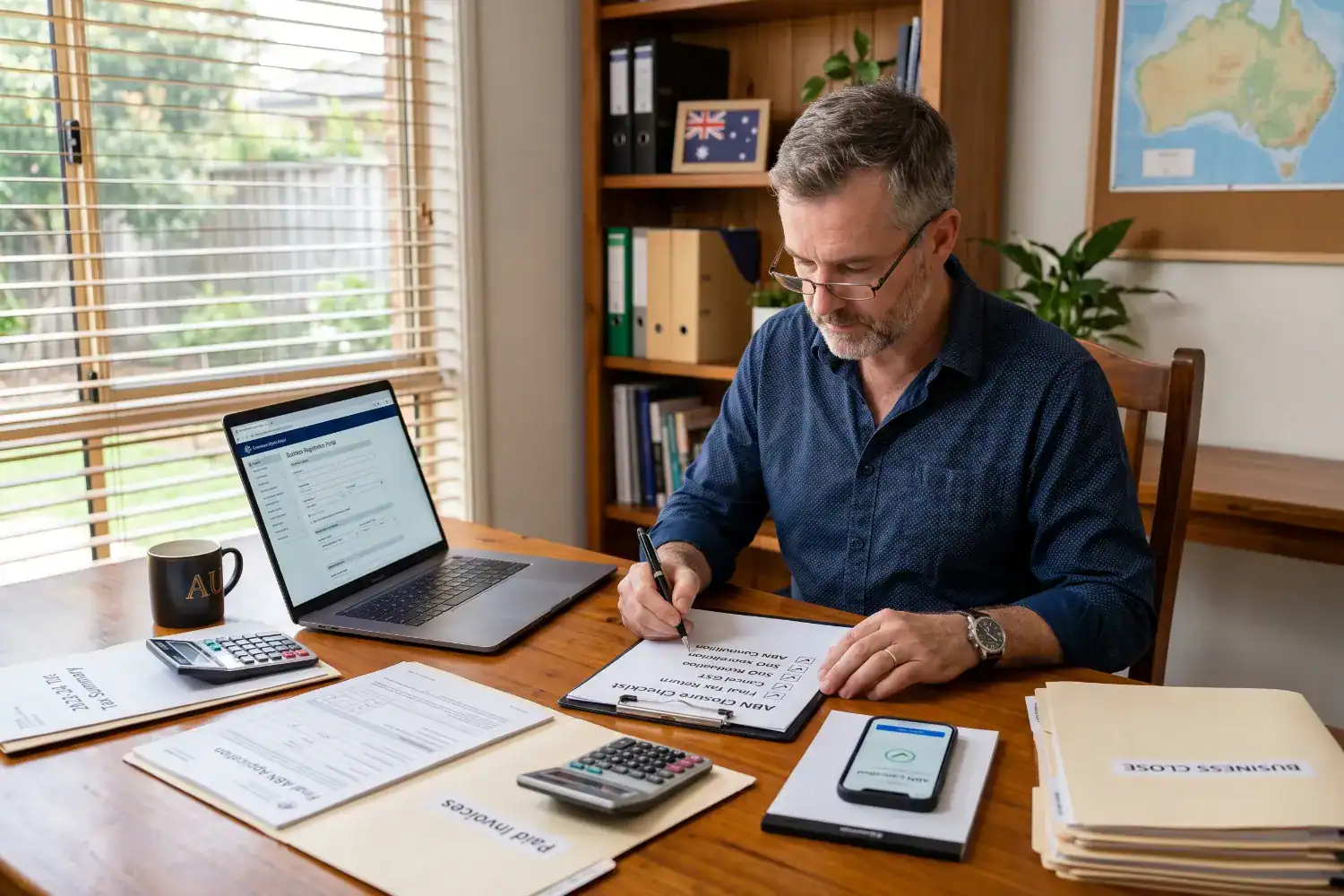
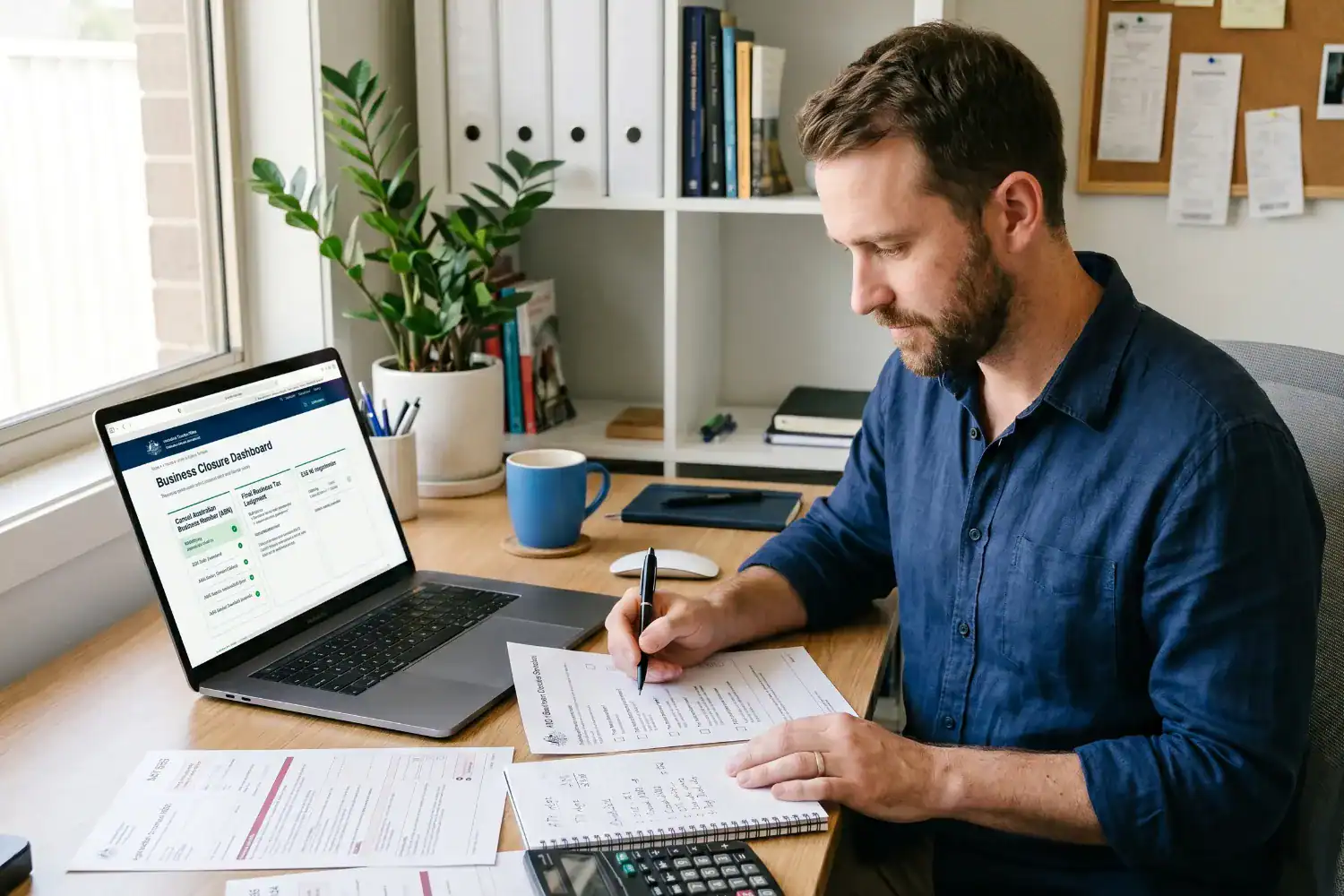
It’s also a good idea to know how to close an ABN if you ever decide to close down the business. Leaving loose ends with the ATO can lead to unnecessary tax debts and compliance issues down the track.
Workers’ compensation insurance is another cost to factor in once you start hiring, regardless of your structure. Both sole trader and company setups carry that obligation the moment you bring staff on board.
Your Next Move Starts With the Right Structure
By now, you’ve got a clear picture of what each structure offers and what it’ll cost you long term. Choosing between a sole trader and a company really comes down to where you are right now and where you’re headed.
Here’s a quick recap to help you decide:
- Sole trader: simple, low cost, suits early-stage business
- Company: separate legal entity, limited liability, better for growth
- Partnership: shared income, no limited liability
- Trust: flexible tax planning, most complex structure
Every business structure in Australia carries its own tax and superannuation obligations, so getting the details right from the start saves you a lot of grief later. If you’re still unsure, it’s always worth sitting down with a professional.
Reach out to us for more guidance on building and expanding a business in Australia. We’d love to help you find the right fit. And if you’re looking for more tips and resources, there’s a whole community of Aussie Entrepreneurs out there going through the same journey.