
Women are creating the future of sustainable business in Australia by running companies that prioritise genuine environmental action over empty promises.
This growing focus on genuine environmental action shows things are heading in the right direction. Around 80% of consumers worldwide even say they prefer brands with sustainability commitments now. But the problem is the declining trust in these green claims. A 2025 Capgemini study found that 62% of consumers think companies are exaggerating or greenwashing their sustainability efforts.
And you can see why. Plenty of Australian businesses now promote strong sustainability messages, but only a small number actually support those claims with clear carbon footprint data.
So who’s actually doing the hard work? IFC found that there’s a strong connection between women in business leadership and better environmental impact outcomes.
In this article, we’ll explore what defines a sustainable business in Australia and how women-led green companies are influencing the future.
Why Women-Led Businesses Are Driving Sustainable Businesses in Australia
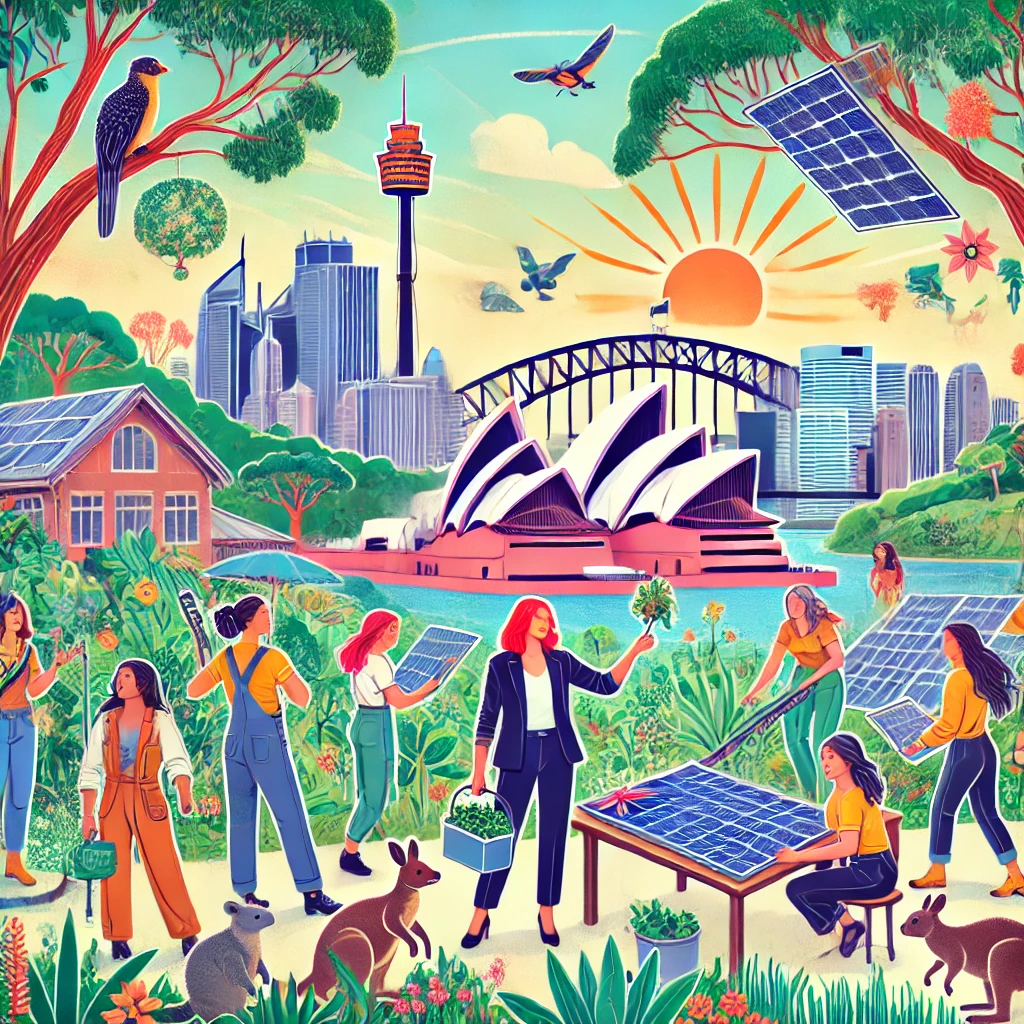
Women-led businesses are pushing sustainable business forward across Australia by putting purpose alongside profit. This means these founders choose long-term environmental responsibility over short-term wins. Here’s how they’re making it happen.
Women-Led Businesses and Climate Action
Women now lead about one-third of all Australian businesses, and a growing number of them are building companies around climate change and sustainability goals.
So the question is, does female leadership actually have a measurable impact on environmental performance and sustainability results?
The data says yes. A 2025 study of 2,646 companies found a link between female leadership and stronger environmental and social performance. The reason comes down to priorities. Women leaders tend to focus on long-term resilience, and that often influences the sustainability practices their companies follow.
Why Sustainable Business Models Prioritise Environmental Impact
Sustainable business models prioritise environmental impact first because they measure success by more than just revenue. And women-led companies in Australia are a good example of this approach. Many reinvest profits into sustainability initiatives and community programs, rather than chasing quarterly targets. Their mission is clear: deliver value without harming the planet.
And it goes beyond just reinvestment. Take KitX as an example, started by the Australian designer Kit Willow. The brand works with artisans through fair trade partnerships and uses only sustainably sourced, eco-friendly materials.
Then there’s Goterra, founded by Olympia Yarger, which turns food waste into animal feed using insect technology. We were surprised to learn that this system cuts landfill emissions by up to 97% (yes, from bugs eating your leftover lunch).
These are companies that adopt ethical sourcing and actively cut carbon emissions as part of their core operations. For forward-thinking companies like these, environmental responsibility is part of the business plan.
Renewable Energy Adoption and the Rise of Green Startups in Australia
All of that commitment is feeding into a much bigger trend. Australia’s cleantech sector now has over 730 startups, and it attracted $680 million in venture funding in 2025 alone. These are where the growth is showing up:
- Clean Energy and Solar Technology: Environmental startups in Australia are building new solar, wind, and battery storage solutions. For instance, Hysata is developing green hydrogen technology to help heavy industries like steel, chemicals, and shipping reduce carbon dioxide emissions from fossil fuel use.
- Eco-Friendly Packaging and Waste: Startups working on biodegradable packaging and food waste systems are starting to gain more attention. This change is closely tied to changing consumer behaviour, as demand for eco-friendly products that replace single-use plastic continues to rise across the country.
- Incubators and Funding Support: Programs like EnergyLab and the Clean Energy Innovation Fund are providing substantial capital to support green companies in Australia. At the same time, women founders are taking on a larger role in this space, which is leading innovation in areas like sustainable packaging and clean technology.
This shows that the momentum in Australia’s clean technology and sustainability sector is clearly building. And with the Australian government introducing mandatory climate reporting for large companies in 2025, the demand for genuine green solutions will only continue to grow from here.
What Defines Environmentally Sustainable Businesses in Australia
Environmentally sustainable businesses in Australia are defined by how they measure, reduce, and report their environmental impact. This focus on measurable action creates genuine accountability, rather than relying on good intentions alone.
So let’s look at what separates genuine sustainable business from green marketing.
How Sustainable Australian Companies Measure Environmental Impact
Sustainable Australian companies measure environmental impact using structured ESG (Environmental, Social, Governance) reporting and lifecycle assessments. In simple terms, these tools can help a business track major areas like energy use and supply chain emissions. This way, teams can properly record and address problems instead of ignoring them.
While this tracking is a good start, certifications can help further by building trust beyond raw data. For example, a B Corp certification will show that your company meets strong social and environmental standards. Another example is Climate Active, the Australian Government’s carbon-neutral program, which checks and verifies emissions data through an independent process.
Because of these eco-certified labels, consumers can more easily see which companies in Australia are actually taking action and which ones are only making claims.
How Australian Businesses Reduce Carbon Footprint
Once a business understands where its emissions come from, it can focus on reducing them. In Australia, companies aiming for carbon neutrality usually start by measuring three types of emissions:
- Scope 1 (Direct Emissions): These are produced directly by the business itself, like fuel burned in vehicles it owns or energy used by machinery on-site.
- Scope 2 (Purchased Energy Emissions): Even without burning fuel directly, a business still contributes to emissions through the electricity it relies on for offices, facilities, and daily operations.
- Scope 3 (Supply Chain Emissions): Beyond internal operations, emissions also arise from external factors like supplier activity, product transport, customer use, and disposal at the end of a product’s life.
So what does reduction look like in practice? Well, it starts with Australian companies cutting emissions where they can. Then, they use renewable energy and verified carbon offset programs for the emissions they can’t remove right away.
Thankfully, many Australian companies like Woolworths, Coles, Bunnings, and IKEA Australia are already installing solar panels on commercial rooftops to produce cleaner power on-site. At the same time, firms like Qantas, Telstra, and Commonwealth Bank are investing in verified offset emissions projects to balance out emissions they can’t yet eliminate.
And among all this, Australia’s net zero target, which aims for a 62% to 70% cut below 2005 levels by 2035, is adding even more pressure for businesses to move faster.
Eco-Friendly Materials and Circular Economy Practices in Australia
A growing number of companies in Australia are moving toward eco-friendly materials like organic textiles, recycled inputs, and biodegradable packaging. Because the goal is to reduce environmental impact at every stage of a product’s life, rather than just at the point of sale.
Circular economy models (often used by IKEA and Patagonia) take this idea even further. Instead of following a straight path from production to disposal, companies using this model focus on keeping products in use for as long as possible. Businesses following this approach also work to remove toxic chemicals and cut reliance on single-use plastic.
We find it a practical way to reduce waste and build a product that lasts, both for the planet and for consumers who care about where their dollar is spent.
Examples of Women-Led Green Companies Australia Is Producing
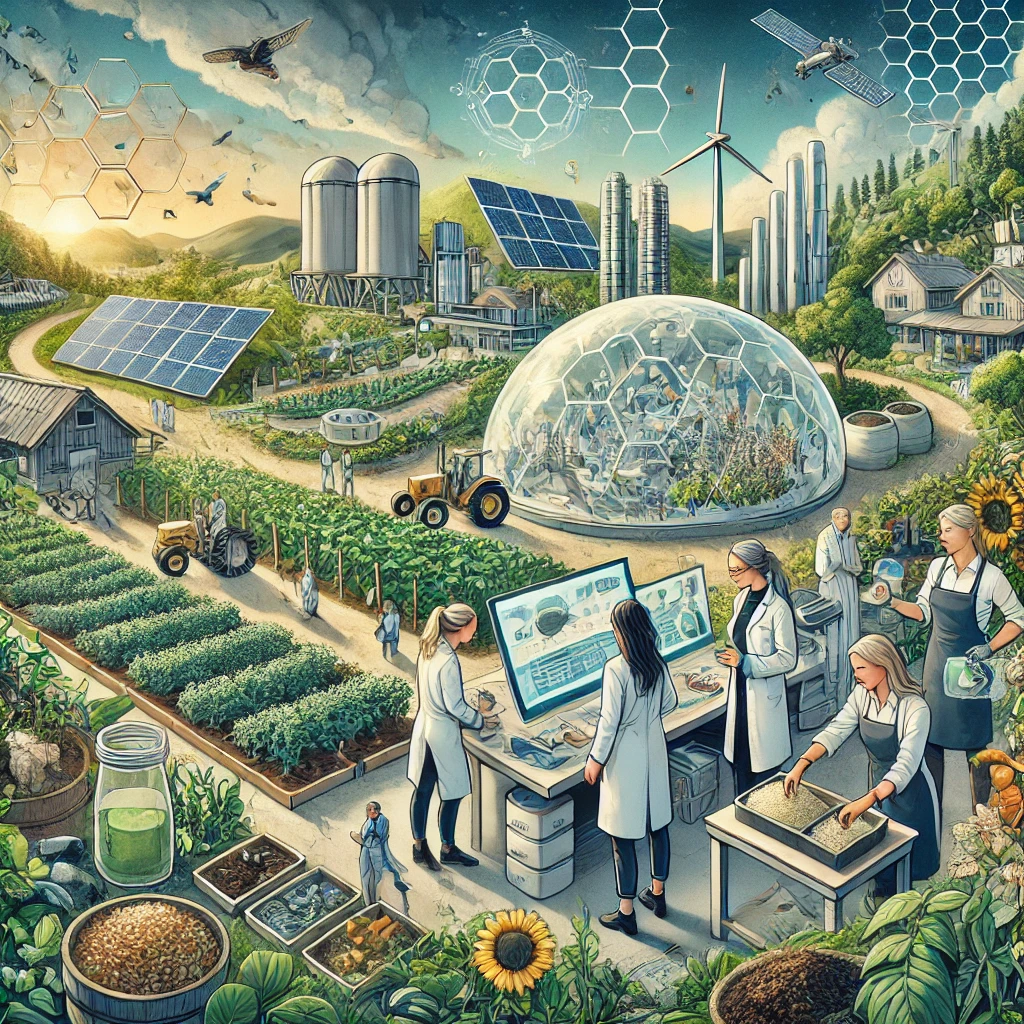
Female entrepreneurs in Australia are producing green companies across fashion, food, packaging, and energy. These sustainable businesses are actively cutting emissions, reducing waste, and improving how products are made and delivered.
This section will look at some standout areas and companies in Australia.
Eco-Friendly Materials in Australian Sustainable Fashion
The fashion industry accounts for around 10% of global carbon dioxide emissions. That’s a huge environmental impact, and it explains why so many people are pushing for change in the way clothes get made.
The good news is that Australian sustainable fashion brands are already stepping up. You already know about the KitX brand, which focuses on using more sustainable fabrics and reducing environmental impact in fashion.
But there’s also SPELL, which takes a similar approach by using eco-friendly materials like organic cotton, recycled fibres, and fair-trade practices across its collections.
These two women-owned brands show that you don’t have to choose between looking good and doing the right thing for the planet.
Food Waste Reduction and Sustainable Food Companies in Australia
Australia wastes around 7.6 million tonnes of food every year, which costs the economy over $36 billion. To put that in perspective, that’s enough to fill the MCG nine times over (a stat that still shocks us every time we see it).
So in Australia, more companies are now working to reduce food waste through redistribution programs, composting, and smarter supply chain systems. For example, OzHarvest collects surplus food and delivers it to people in need, instead of letting it go to waste.
Similarly, as we mentioned earlier, Goterra uses insect-based technology to break down food scraps and turn them into animal feed. This way, what used to be a huge problem is becoming a genuine business opportunity for a lot of Australian companies.
Biodegradable Packaging and Eco Products in Australia
Unfortunately, food isn’t the only thing ending up in landfills. In 2023 to 2024, around 6.84 million tonnes of packaging entered the Australian market, and much of it wasn’t recovered. What’s worse is that only 20% of plastic packaging in Australia is currently recycled or composted. And that gap is finally pushing more businesses to look for better alternatives.
A good example is Planet Protector Packaging. It was founded by Joanne Howarth and replaces polystyrene with insulation made from waste wool.
These kinds of solutions are gaining traction as demand grows for greener materials. In fact, Australia’s biodegradable packaging market is expected to reach over $3.5 billion by 2034, which shows strong growth for compostable eco products in the years ahead.
Renewable Energy Adoption and Solar Panels in Australian Companies
Beyond packaging and waste, energy is another area where Australian companies are making big moves. Australia already has one of the highest rates of rooftop solar panels in the world, and more businesses are catching on every year. This change is happening as businesses across retail, manufacturing, and hospitality are aiming to reduce both carbon emissions and electricity costs at the same time.
And under new CEO Amanda Bardwell, even Woolworths has committed to 100% renewable electricity. This shows that women in leadership are pushing large Australian companies toward cleaner energy, too.
Now, what makes solar adoption more practical is its falling cost. Rooftop solar installation costs in Australia have dropped 75% since 2010–11, and the average price per watt now sits at just $0.90. That puts solar power within reach even for small businesses.
Plus, if you pair solar power with LED lighting and other energy efficiency upgrades, your business can cut energy use significantly. LED lighting, in particular, uses up to 75% less energy than traditional bulbs, which can reduce costs by 50% to 70%. It’s one of the easiest ways to go green and save money at the same time.
Challenges Facing Sustainable Australian Companies and How to Overcome Them
Even the most committed sustainable Australian companies face obstacles on the road to going green. The challenges can include cost pressures, consumer scepticism, and supply chain limitations.
So here’s what businesses are up against, and how some are finding ways through it.
The Upfront Cost of Renewable Energy Adoption and Sustainable Practices
As you can guess, the biggest barrier for most businesses is money. Investing in solar power systems, sustainable materials, and certifications like B Corp or Climate Active all come with a steep upfront cost. We’re talking tens of thousands of dollars for just small solar setups. And for small businesses running on tight margins, that kind of spend is often difficult to afford without affecting cash flow.
The gap between big and small companies makes it even tougher. Larger corporations can absorb those costs across bigger budgets, but SMEs rarely have that kind of breathing room.
As a result, the transition to renewable energy adoption and greener sustainable practices can create short-term financial pressure, even if it leads to long-term benefits. After all, not every business can afford to sit and wait for the payoff.
Balancing Profits With Sustainability Goals
One challenge with sustainability is that organic fibres, recycled materials, and ethical labour often cost more than conventional options. This increases production costs and reduces profit margins, especially for companies in Australia that still need to stay price competitive.
Through working closely with green businesses, we have seen how difficult it can be to grow operations without increasing a company’s carbon footprint. And as a business grows, they often face the challenge of balancing sustainability goals with the need to protect profits.
This balance requires careful planning, and there’s no shortcut around it. In most cases, every dollar spent on cutting emissions needs to lead to some form of financial return over time, otherwise the business struggles to stay viable.
Consumer Demand for Eco-Friendly Products vs. Price
Now, the question is: who’s actually buying these eco-friendly products? According to PwC’s 2024 survey of over 20,000 consumers, 46% say they’re already choosing more sustainable products to lower their environmental impact.
That’s a solid number, but the full picture is a bit more complicated. A 2024 Simon-Kucher study found that 54% of consumers say they’ll pay more for sustainable goods, yet affordability remains the top barrier for 38% of shoppers.
This means you can pour time and money into developing the most planet-friendly, eco-friendly products on the market. But if those products are priced beyond what people will actually pay, they’re not going to move off the shelf. And closing that gap between intention and action has become one of the biggest challenges in sustainability today.
Avoiding the Green Bandwagon and Staying Accountable
On top of cost and pricing pressures, businesses also have to be careful about what they say. The green bandwagon has attracted plenty of businesses making bold promises with little evidence behind them. It refers to companies jumping on sustainability trends purely for marketing appeal.
So regulators are now paying much closer attention to misleading environmental claims. In Australia alone, ASIC took action 47 times between 2023 and 2024 against companies over greenwashing claims.
For companies that genuinely care about environmental responsibility, the takeaway is clear: be honest, back your claims with proper data, and let your actions do the talking. Remember that both consumers and regulators are watching closely now. And the reputational cost of getting caught far outweighs the effort of doing things properly from the start.
How Renewable Energy and Innovation Are Influencing the Future
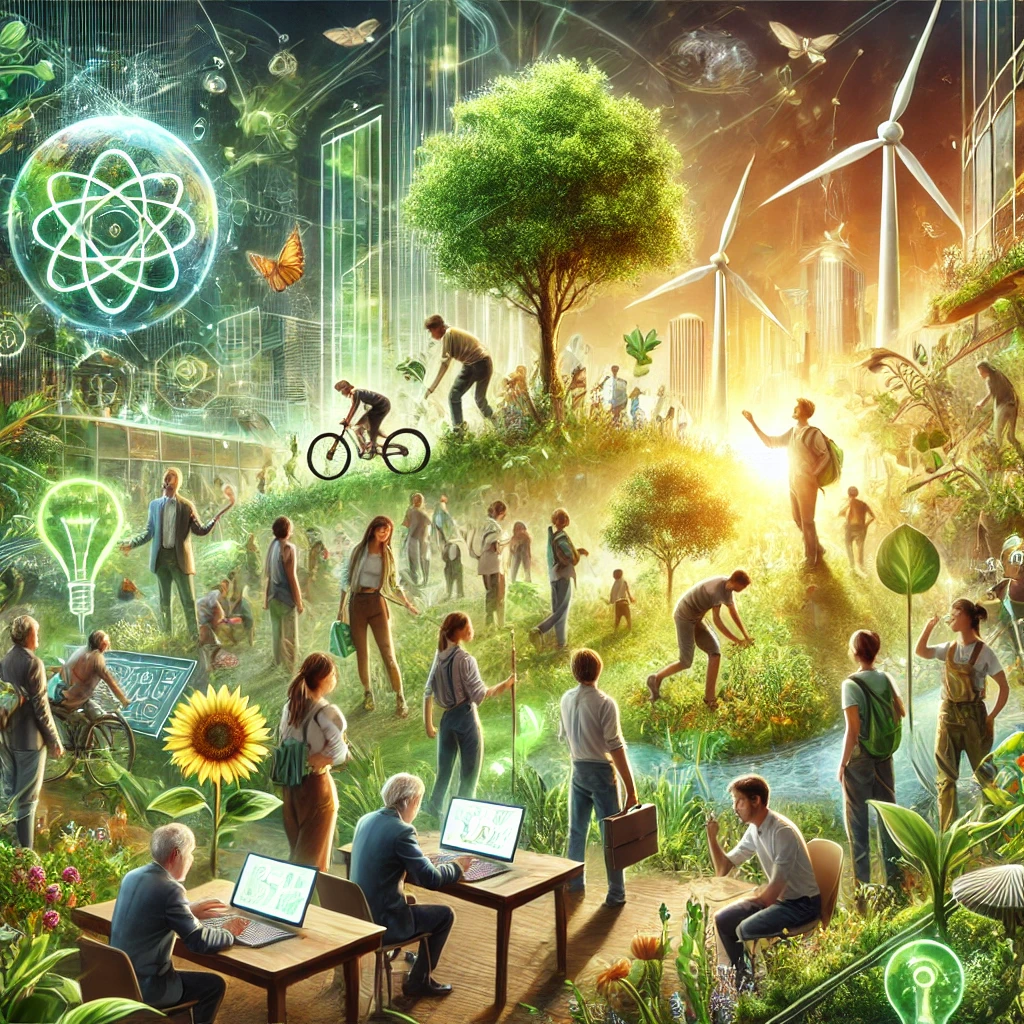
Renewable energy and innovation are changing what a sustainable future looks like for Australian businesses. This change is already happening across many industries, and it’s continuing to grow.
Let’s look at where the biggest changes are happening right now.
Renewable Energy Adoption Trends in Australian Businesses
The Australian Government has set a target of 82% renewable electricity by 2030. And guess what? The renewables already supplied close to 50% of power across the national grid in late 2025.
This steady progress is also supported by government programs like the Capacity Investment Scheme and the Powering Australia plan, both of which fund clean energy growth. As a result, renewable energy is becoming less of a choice and more of a clear direction for the country’s future.
Solar Panels, Energy Efficiency, and Cutting Electricity Emissions
As we mentioned earlier, Australia already has one of the highest rates of solar panels per capita in the world. And since pairing rooftop solar with LED lighting can lower electricity use, reduce emissions, and cut costs, more companies are now adopting this approach.
What makes it even more appealing is the return on investment. For many companies, these upgrades recover their costs within just a few years through lower energy bills. After that, the savings continue to build over time, which gives businesses more cash to invest in other parts of their operations.
It’s one of those rare situations where doing the right thing also happens to make good financial sense.
How Women-Led Australian Companies Are Reaching Carbon Neutrality
Carbon neutrality means balancing the emissions they produce by reducing them as much as possible and offsetting the rest. More women-led companies in Australia are now committing to this goal, and it’s not just big corporations leading the way.
Take Bassike, for example. The fashion label earned Climate Active carbon-neutral certification across its operations. And Melbourne-based architecture firm Breathe runs its offices entirely on renewables while offsetting all remaining business emissions.
Plus, as of March 2025, over 540 organisations hold active carbon-neutral certifications under the Climate Active program. This means smaller businesses are now setting net-zero targets of their own, and they’re backing their words with measurable steps and changes in how they operate.
Australia Is Building a Stronger Future for Sustainable Business
So, what’s your take on the state of sustainable businesses in Australia? We’d genuinely love to hear what you think.
But what we know for sure is that every time you choose an eco-friendly product or back a green brand, you’re voting with your wallet. As a consumer, you have a lot of power, and your demand can influence what Australian companies build next.
Women-led businesses are already redefining what success looks like by putting environmental impact, transparency, and community at the centre of how they operate. So now sustainability is no longer a niche selling point, but a baseline expectation across every industry.
As this trend continues, the future of Australian companies will depend on those that combine innovation with accountability.
If you want to keep up with what’s happening in green business and sustainability across the country, Australian Business Magazine can give you just that. We regularly cover case studies, industry trends, and expert insights from across Australia to help readers stay informed and make better decisions.
Start your sustainability journey with us right here.
FAQ: What People Ask About Sustainable Businesses in Australia
These are some of the most common questions we get about sustainability and green business in Australia, in no particular order.
Are Environmental Startups in Australia Profitable and Scalable?
Yes, a lot of environmental startups are profitable and scalable. In Australia, environmental startups are pulling in more investor interest every year, especially in areas like clean energy and food systems. Most run on impact-driven business models that are built to scale, and the demand for green solutions just keeps growing across industries.
How Can Small Businesses Adopt Eco-Friendly Practices With Low Upfront Cost?
The best place to start for a small business is with the basics. This means switching to energy efficiency upgrades like LED lighting, cutting down on waste, and choosing more sustainable suppliers. And the good news is, every dollar spent on greener operations often pays itself back through long-term savings on energy and materials.
How Do Circular Economy Models Help Companies in Australia Reduce Waste?
Circular economy models work by focusing on reuse, recycling, and extending a product’s lifecycle instead of letting it end up in a landfill. For companies in Australia, adopting these models can cut costs, lower emissions, and meet the rising expectations consumers have around sustainability.
Do Sustainable Businesses Actually Reduce Emissions and Carbon Footprint?
Yes, sustainable businesses can reduce emissions and carbon footprint if they apply the strategy properly. Businesses that track their carbon footprint, often invest in renewable energy and offset emissions through verified programs, can show measurable results.
Some go even further by funding initiatives in the developing world, like companies that build toilets and sanitation projects in communities that need them most.